-
Content Marketing For
Luxury Audiences >

-
Trusted By
Leading Automotive Brands >

-
Experts In
Travel & Hospitality >
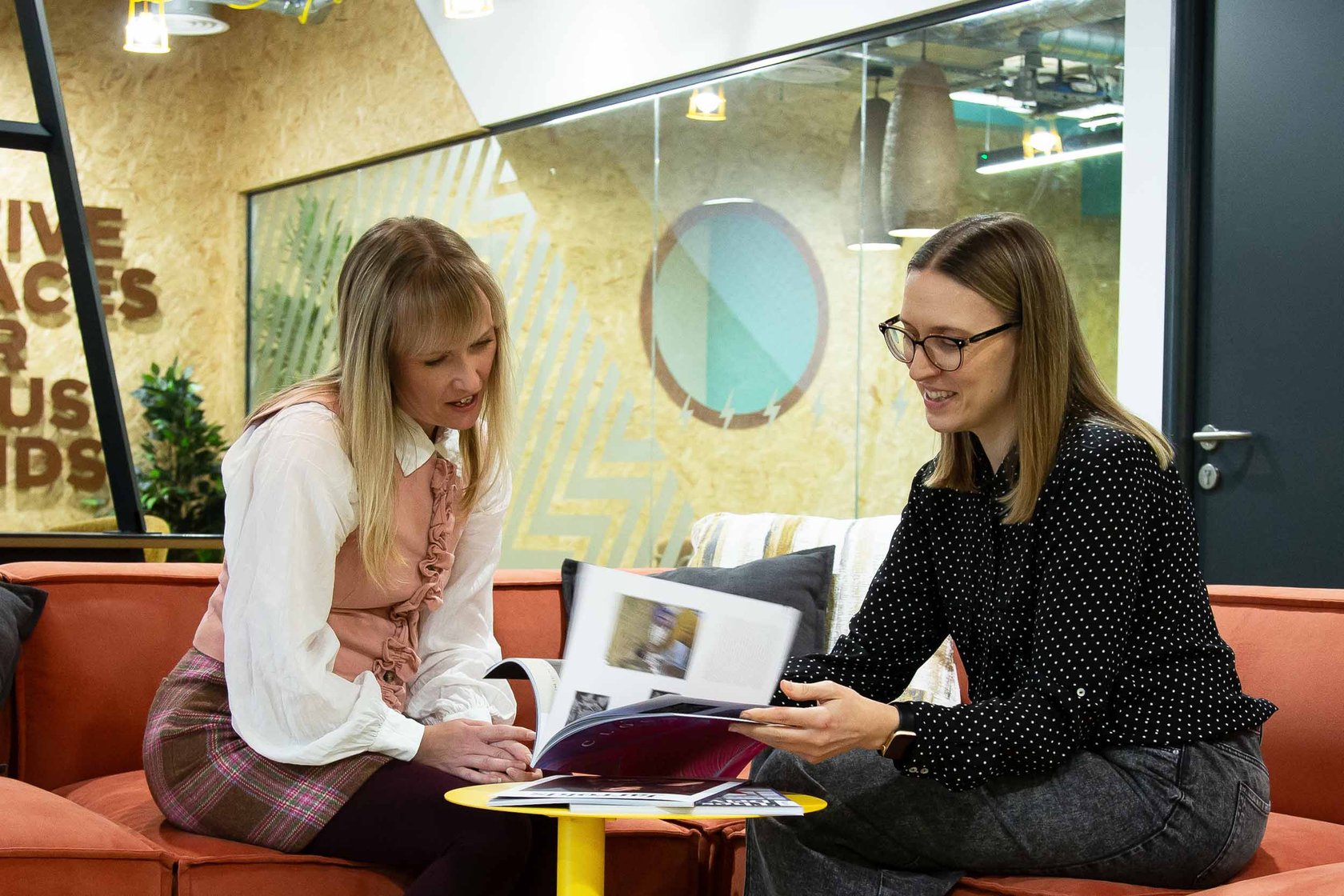
What makes editorial design different from other creative disciplines? Dialogue’s Head of Content, Cathy Wood, and Head of Design, Nicola Preston, discuss the specialist thinking behind magazines – and why the best work happens when editorial and design shape the story together.
A brand magazine is a balancing act. How do you make it recognisably yours while giving readers an engaging, enjoyable journey, information they want to spend time with and use and a reason to take action? It takes an open mind and a view of the whole publication as a carefully balanced ecosystem of content, where every word, headline and image has a role beyond the page it sits on. That ability to move between the smallest detail and the bigger picture is what makes editorial design worth a closer look.
Dialogue’s designers work across platforms and formats, so we value versatility. But does being a great designer mean you can design anything? Not automatically. Nobody assumes an advertising copywriter and a feature journalist do the same job simply because they both work with words. Design has its specialisms too.
“There are different skill sets needed for different types of design,” Nicola says. “Having a particular craft that you’re proficient in – that you’re genuinely expert in – is a strength.”
Designing the story, not filling the page
Perhaps the biggest misconception about editorial design is that it begins only when the copy and images arrive: here’s your grid, here are your words, here are your pictures – make them fit.
“A magazine isn’t a collection of individual pieces of art,” Nicola says. “It’s one cohesive thing. You’re thinking about narrative, pace and continuity, and about familiarity too. A reader might know where to find their favourite section. There has to be structure, but enough flexibility within that structure to create variety.”
For Nicola, the best editorial designers combine that big-picture instinct with an almost obsessive attention to detail. “You need to understand the grid and the rules behind a page layout, but the real skill is knowing when you can break them,” she says. “It might be choosing a completely different typeface for one feature because the story needs that impact, while still making sure the magazine feels like one coherent object.”
That judgement extends to details most readers will never consciously notice: columns aligning, subheads falling in the right place, and awkward widows and orphans disappearing – those stray words or lines left isolated at the top or bottom of a column. It is all part of creating a hierarchy that makes the route through the story feel instinctive. “If the copy flows awkwardly or the reader cannot work out how to enter the feature, something is wrong,” Nicola says. “Great design should guide them without making them think about the mechanics behind it.”
That starts with reading the feature, then talking to the editor about what they saw in it. What is the idea we want someone to take away? What should they notice first? Where should the pace change, and where do we want them to pause?
The flatplan is only the beginning
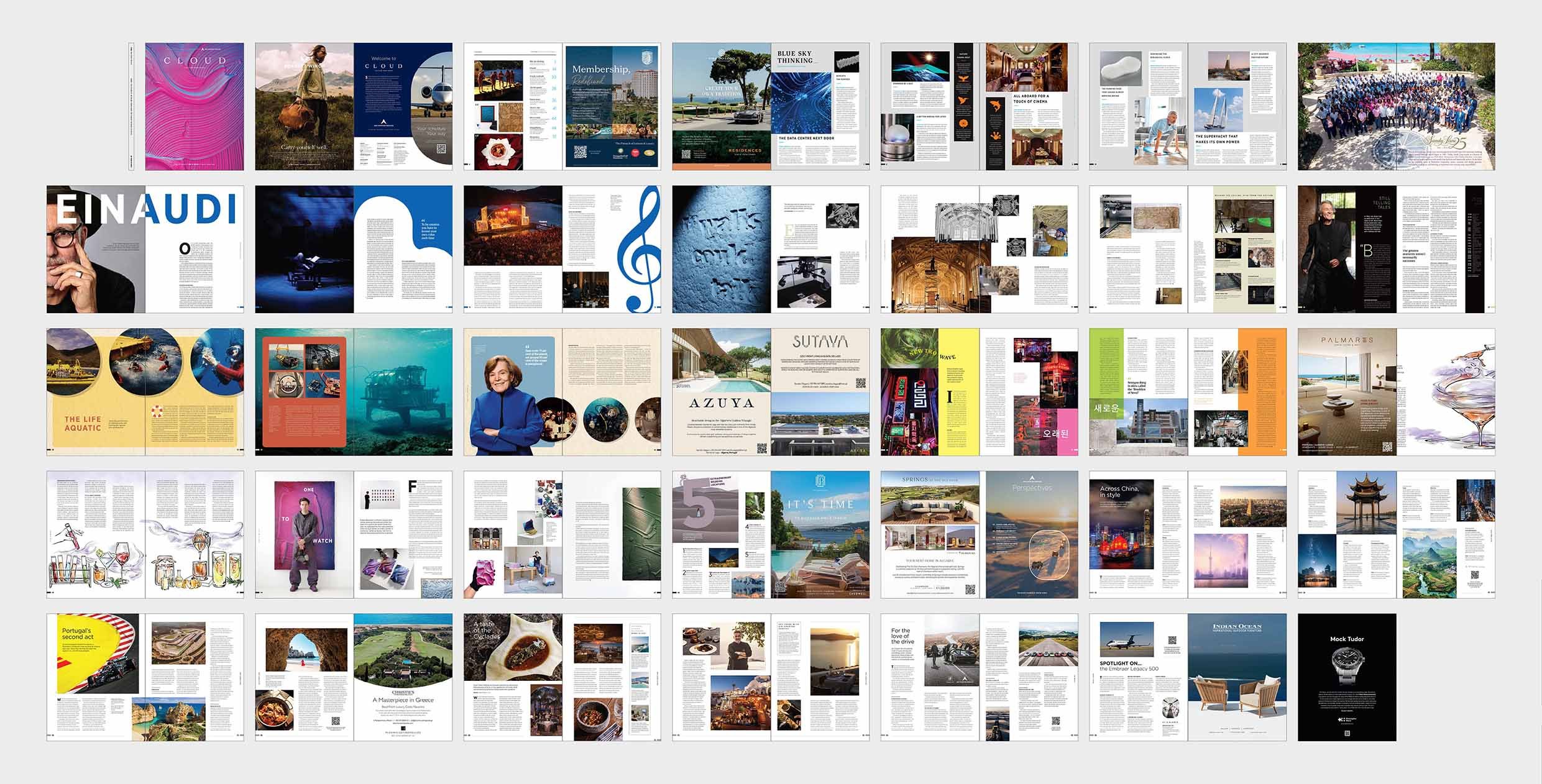
Cathy might begin by creating a flatplan – a page-by-page map of the magazine – with a deliberate rhythm: avoiding dense feature after dense feature and considering where sections begin and end and even where ads are positioned to encourage flow and make the most impact. Then Nicola starts looking at the actual assets and developing the creative treatment. The plan becomes a conversation between editor and designer rather than a fixed instruction.
Recently, Nicola spotted a structural problem on a magazine we were working on. The feature made sense where it sat editorially, but its design idea, the available assets and the pages around it meant it could work much harder somewhere else. So we moved it.
“That’s the point where my editorial thinking and Nicola’s design thinking overlap,” Cathy says. “I’ve considered pace and flow when I’ve built the flatplan, but Nicola can see something I couldn’t when it was still just a box on a plan.”
Sometimes the material itself changes the story, too.
We’ve commissioned photography so good that we went back to the flatplan, found more space and turned what was intended as a fairly conventional story into something much more visually led.
The opposite happens as well. If a collection of images does not work successfully together, we do not force it into the existing concept; we reconsider the structure of the feature itself.
“There’s just a little bit of overmatter…”
Naturally, this relationship occasionally involves negotiation.
A designer might produce an absolutely beautiful spread and then casually point out that there is “a little bit of overmatter”. That’s the copy that doesn’t fit – and sometimes “a little bit” turns out to be 500 words.
“That’s always a lovely moment,” Cathy says with a hint of sarcasm. “Nicola’s saying, ‘This looks great, doesn’t it?’ And I’m saying, ‘Yes, but half my feature is sitting off the side of the page.’”
Sometimes the answer is editing; sometimes we decide every word deserves to be there and find another page on the flatplan; sometimes Nicola can make small adjustments to the design. Usually, it is a bit of everything.
It works the other way too. A sub editor might move elements on a page to see whether they can sneak that last line in. “Editors moving things off the grid is quite high on my list of things that can be… annoying,” Nicola says.
Fair enough.
Even something as small as a headline can become a collaboration. A perfectly good headline editorially might have completely the wrong shape for a layout – one word is long, another short, and visually it simply does not balance.
The practical advantage of an integrated team is being able to resolve these questions while the work is still taking shape. That includes the freelance specialists we work with: the important thing is keeping them in the conversation, rather than handing finished work from one discipline to the next.
“If a headline is fighting the layout, Nicola can turn to me and say so,” Cathy says. “We can solve it there and then. Equally, a conversation about the story might spark a completely different visual treatment. Nobody is protecting their bit of the process; we are trying to make the whole thing work.”
A magazine isn’t a brochure with more pages
When a brand launches a magazine, the brief often arrives with an existing visual identity. There are brand colours, typefaces, digital design conventions and guidelines governing everything from advertising to websites – but a magazine has a different job to do.
“A magazine needs to be treated as an entity in its own right,” Nicola says. “It can have cues from the brand, but if you want it to feel editorial rather than like another piece of marketing, it needs its own voice.”
That could mean questioning whether a corporate typeface designed primarily for digital environments is right for long-form print. It might mean using a brand colour as a subtle detail rather than filling every page with it. It can mean choosing an intriguing crop of a beautiful object rather than the clean product shot you might use in an advert.
Particularly for luxury brands, restraint can be an important part of the creative vocabulary. Space matters, of course, but so does the relationship between photography, typography and paper selection. The choices will differ for another audience, but they need to be just as deliberate.
And those choices have to work on paper, not just in the presentation.
Knowing what happens when pixels meet paper
Editorial print designers are not designing solely for what they see on screen; they are thinking all the way through to the object somebody will eventually hold.
That means checking how comfortably the copy reads and how images will reproduce on the chosen paper, as well as talking to production teams and printers about formats, finishes and what is possible within the schedule.
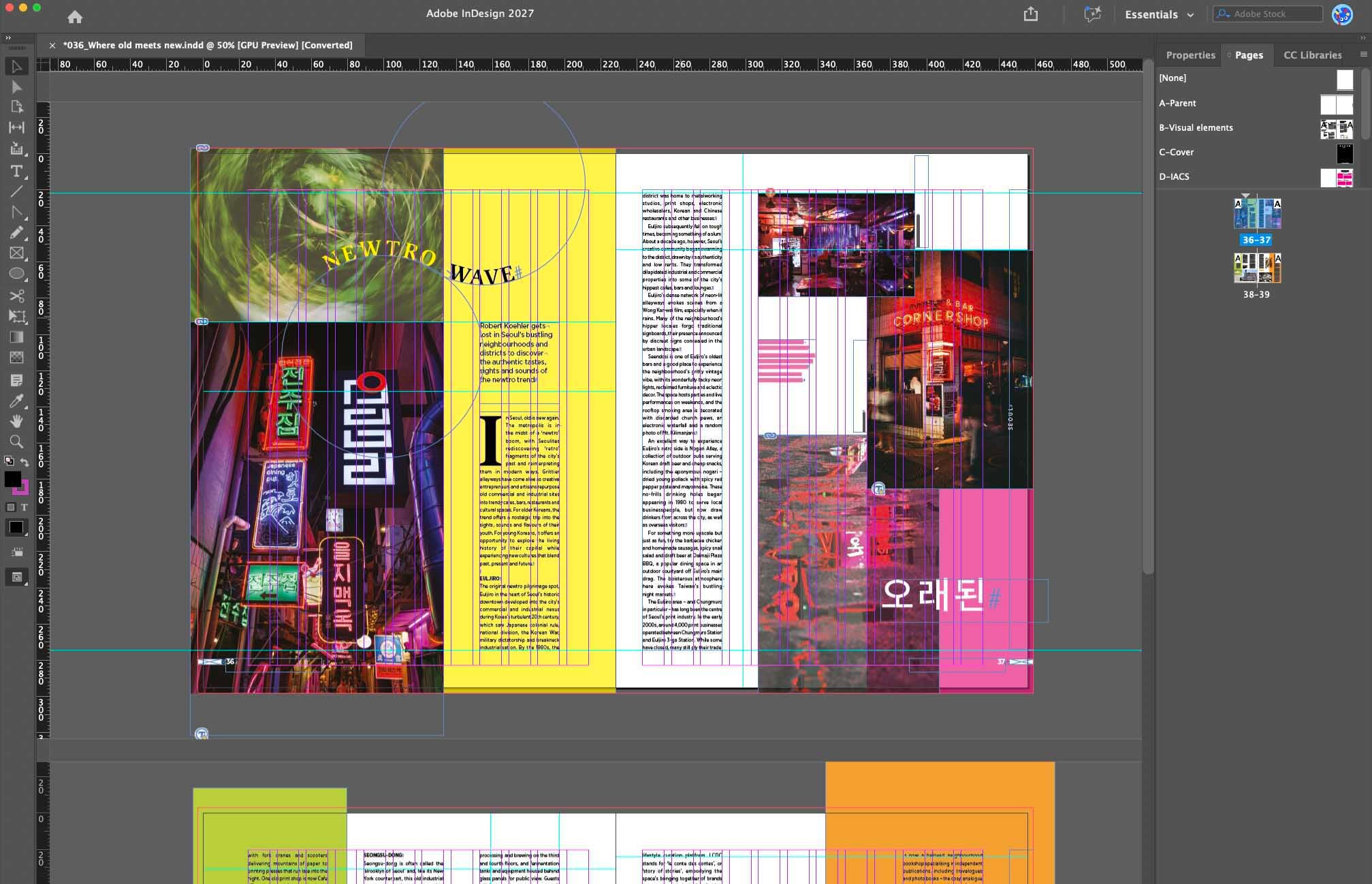
“Paper is not a neutral surface,” Nicola says. “An uncoated stock absorbs more ink than a coated silk or gloss stock, so you have to anticipate what that will do to an image and make considered decisions when you are retouching or positioning it. Binding matters too: if an image runs across a spread, you need to know what may disappear into the spine and adjust for it.”
Some decisions continue right through to press, where the designer, production team and printer may need to respond to how the work is reproducing in real conditions. That technical understanding is not separate from creativity; it is what allows an ambitious idea to survive the journey from screen to paper.
Specialist doesn’t mean single-skilled
Those editorial instincts travel well. Our designers work across formats, just as our editorial team works across magazines, digital content and campaigns.
Hierarchy still matters in a presentation, white paper or email campaign; you still need to understand how someone’s eye travels through information, how words and images work together and where the experience needs a change of pace.
For us, the important distinction is between transferable expertise and interchangeable expertise.
We challenge one another, occasionally create problems for one another and, yes, sometimes move things off one another’s grids – but that is part of the point.
For a brand, the value of that shared expertise is in the finished publication: recognisably yours, with an editorial identity readers can settle into. The craft of editorial design shapes what catches their eye, where they pause and how one story leads them into the next. It is how they experience the story, from the first page to the last.
Read more insightful articles
See more from the blog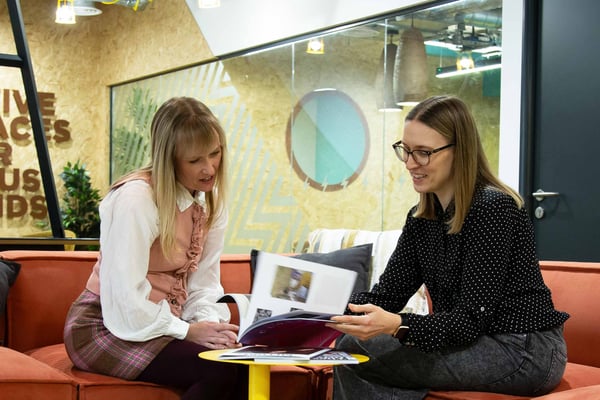
A designer is a designer, right? The craft behind editorial design
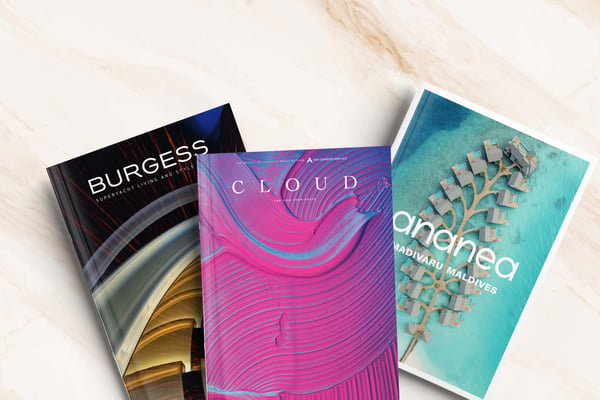
The power of print in luxury hospitality marketing
When every yacht is different, how do you communicate what makes your brand distinctive?

Beyond the click – are we measuring email too narrowly?
Proud to be a winner of industry awards, recognised as content marketing experts in print and digital media.