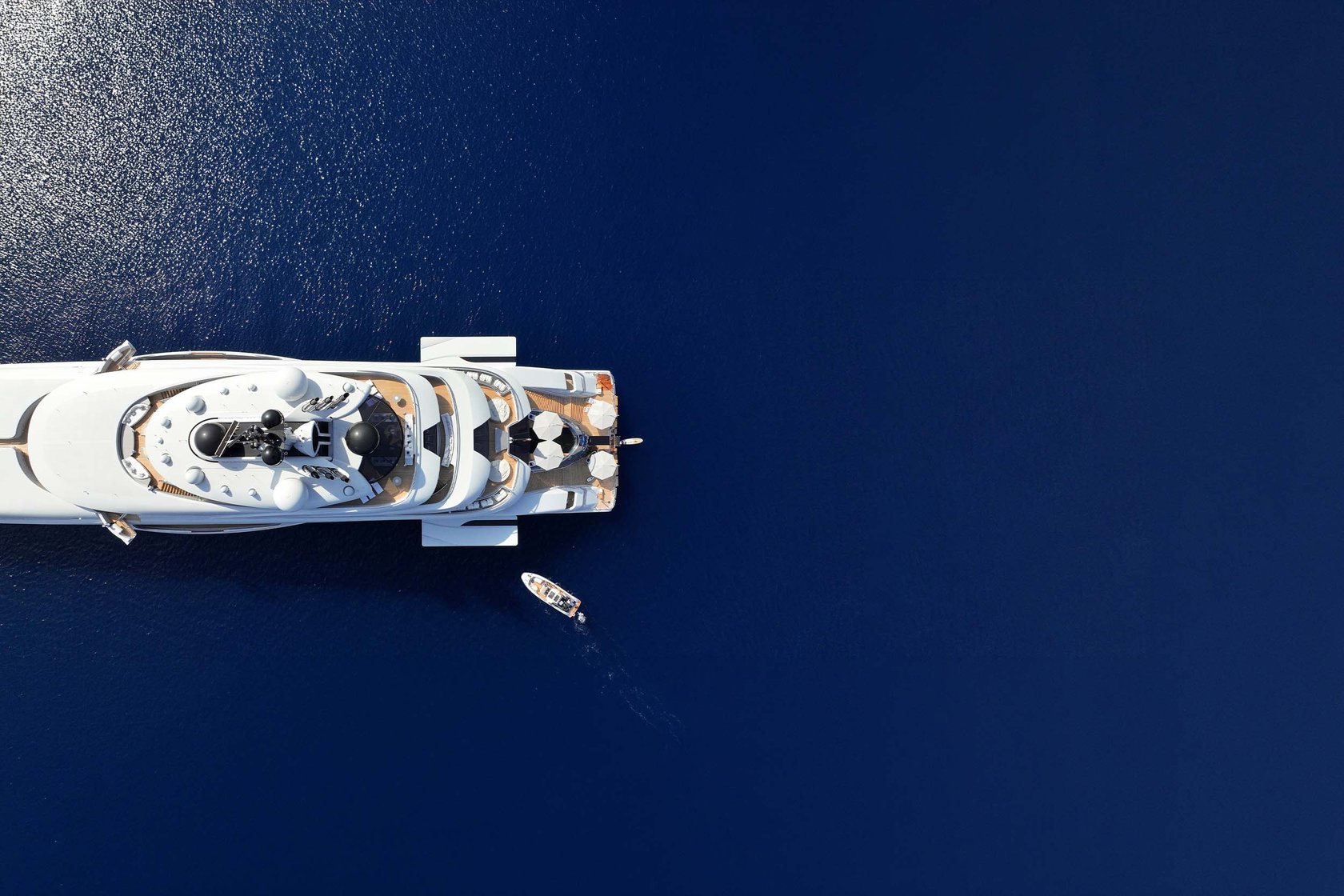

A finished superyacht is usually the easiest part of a bespoke project to communicate. It can be photographed, filmed, measured and described. Less visible is the particular way of living that shaped it: the family dynamics, passions, routines, ambitions and priorities that explain why it took that specific form.
The difference between two bespoke yachts isn’t necessarily visible in their respective pools, beach clubs or glazing. It lies in the reason those things exist: one might have been conceived around adventure, another around entertaining or spending long periods at sea. Those different purposes give each yacht an identity, with the design showing how the builder translated a way of living into a physical yacht.
For content teams, the opportunity is to connect the finished yacht back to the life it was designed around. Once a yacht is delivered, its story takes on a new job: demonstrating the builder’s capability to the next prospective owner, who can’t yet see their own yacht and has to judge the builder on someone else’s. A completed yacht can show that a builder listens to an individual brief, understands how an owner wants to live, and has the creative and technical expertise to make that ambition real. Previous builds matter, then, not as a portfolio of beautiful yachts, but as evidence of what the builder can make possible.
The strongest luxury content doesn’t simply show the result; it gives the audience a reason to understand what makes that result different.
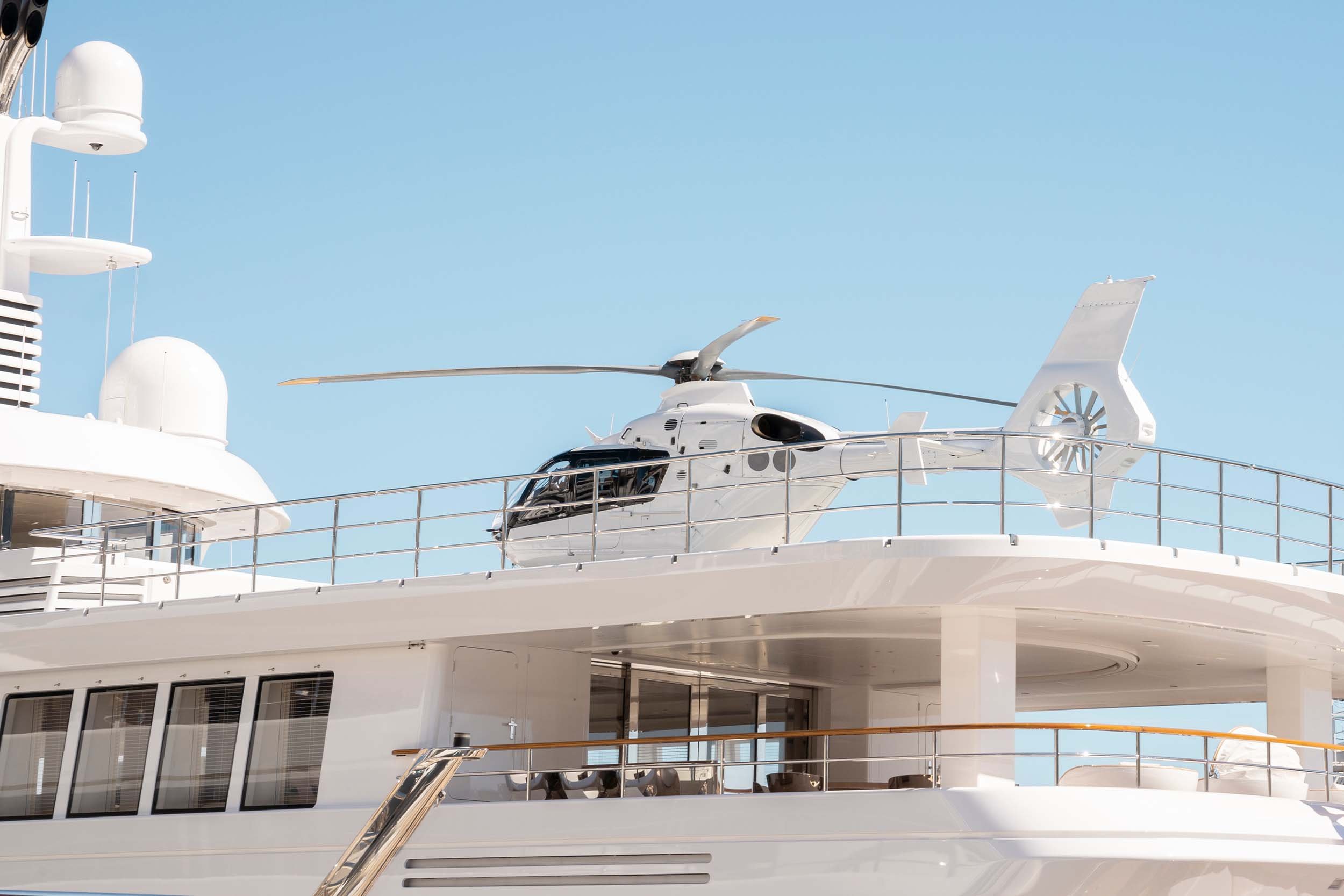
Why the story disappears by delivery
In a bespoke project, the most valuable ingredients for the story already exist: the owner’s ambition and the expertise brought to making it possible.
An unusual request can require specialists to solve problems that have no off-the-shelf answer.
By delivery, though, that ambition has been broken down into hundreds of individual design and engineering decisions, and the complexity behind them is almost invisible in the finished result. Marketing usually starts at this end – with the finished specification – by which point much of the thinking that caused the yacht to exist has disappeared from the story. The yacht’s story should be rooted in why it was created and the brief that shaped it, not invented afterwards by marketing.
Content teams need enough access to the original brief and the people behind it to understand what the owner wanted to make possible – and how the builder responded.
Instead of asking only for the yacht’s key features, ask what those features were designed to achieve. What did the owner need? What made it difficult? Who solved it? What changed as a result? This gives the content team the raw material to build a story, rather than simply a specification to describe.
You can read more about how details make luxury content authentic and credible.
Where the valuable story gets lost
Imagine an area designed around an owner who wants to use the yacht very differently when cruising with family than when entertaining friends. The brief is to create a space that feels open and informal during the day, when family might be moving between the interior and the water, but can become more intimate in the evening when hosting dinner. The owner doesn’t want to move guests into a separate formal dining room or have the space feel permanently divided.
The challenge is making those different uses work without filling the space with visible mechanisms or compromising the sense of openness. The solution might involve a concealed dining table that can expand when needed, sliding screens that can subtly define the space and integrated storage that allows the area to be cleared quickly between uses. Lighting can shift with the setting too, from brighter, more functional light during the day to a softer, more intimate atmosphere in the evening.
The individual features aren’t really the story. What matters is the thinking behind them: the space has been designed around the way this particular owner wants to spend time on board, rather than around a predetermined idea of what a yacht’s dining area should be. Without that context, a highly individual piece of design can look like just another feature.
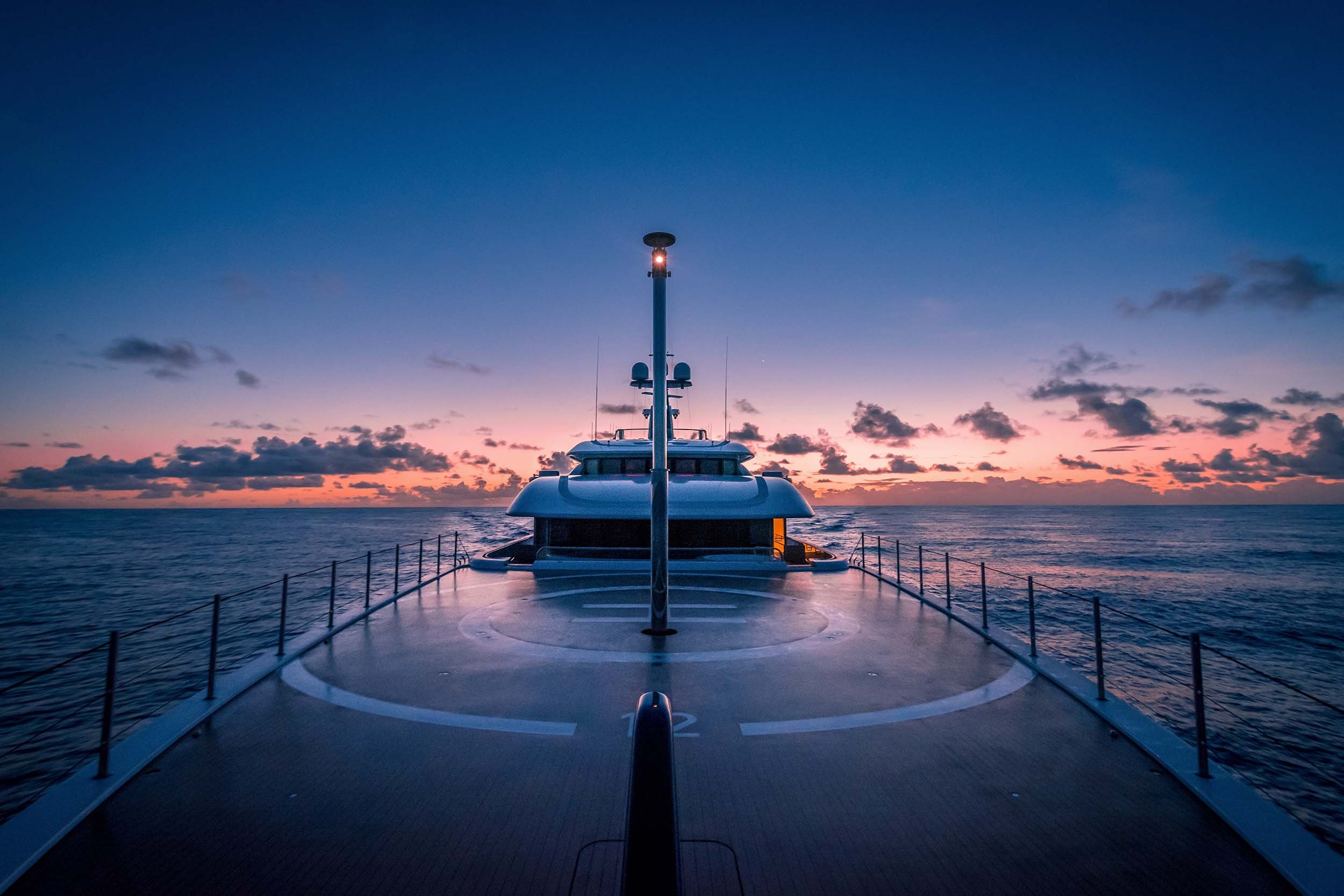
One story, different ways to tell it
Once that story has been uncovered, it doesn’t need to be repeated in full across every channel. The same customer build can provide different pieces of content, each drawing out the most relevant part of the story.
The above dining space story, for example, could become a short social film centred on an in-house expert explaining the problem and how it was solved. A case study could focus entirely on the specific requirement and the decisions it prompted. Photography could communicate the finished experience – one space shifting between family time and entertaining.
The story stays the same; the emphasis changes. This allows content to feel native to each format while keeping a consistent idea at its centre: this is what the owner needed, and this is what the builder made possible.
Read more about how luxury brands can turn expectations around personalisation into a coherent brand experience.
When showing isn’t the same as explaining
Superyacht film is exceptionally good at showing beauty, scale and spectacle. But if the brief is built around features and aesthetics, the content can end up documenting what the yacht contains rather than communicating why it was created.
A brief built around the owner’s ambition creates room for something richer. Content can show the life the yacht was designed to enable alongside the designers, craftspeople and specialists who made it possible.
That differentiation needs to happen before production. The creative team needs to understand the story they are trying to tell before deciding which moments, people, details and experiences to capture.
The result is content with a clearer purpose: not simply to demonstrate that the yacht is beautiful, but to reveal something the audience could not understand from the finished image alone.
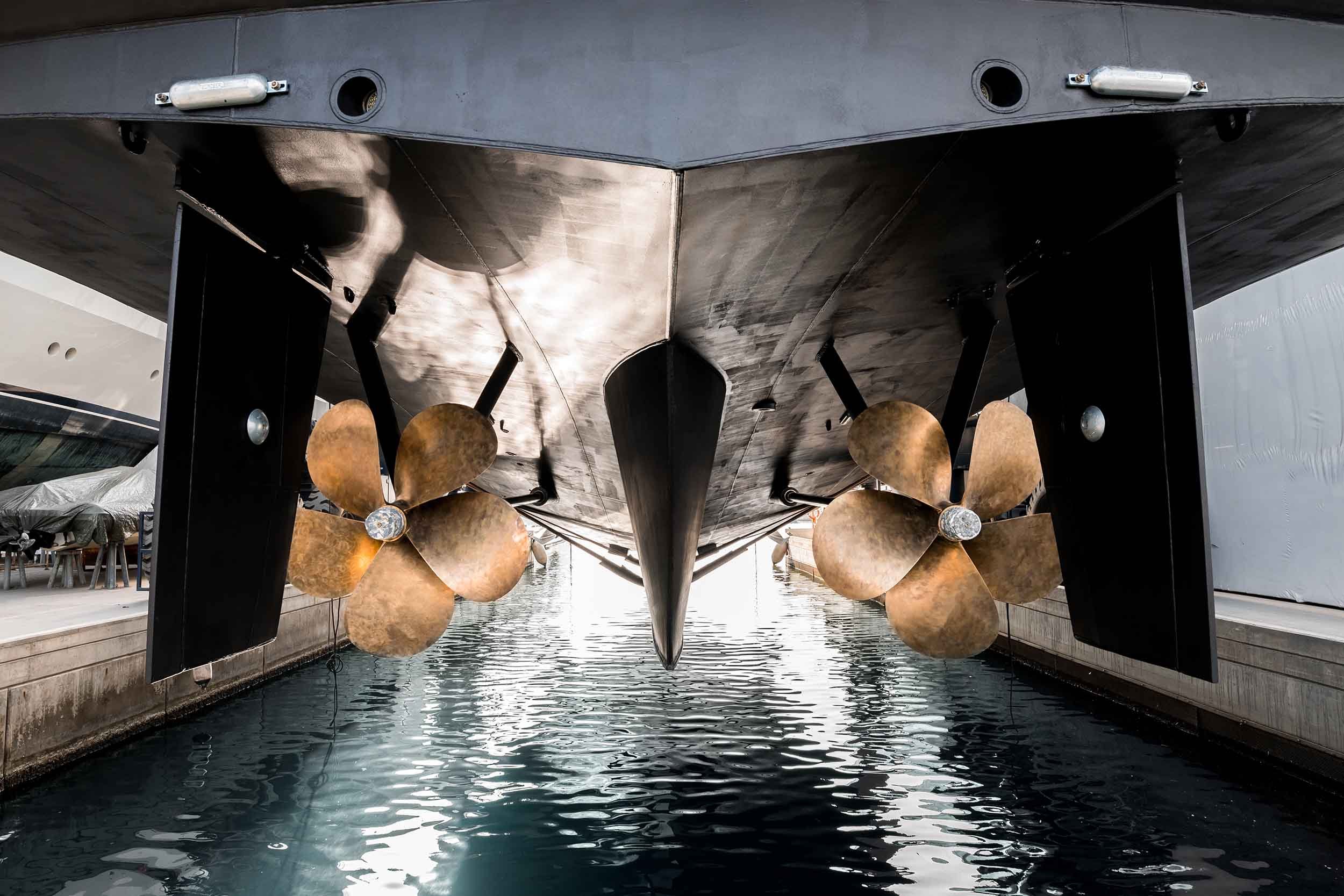
Why luxury may hide the effort
Luxury is designed to feel effortless. The owner shouldn’t have to think about vibration control, structural loads, crew circulation or the engineering required to make a complex yacht work smoothly. The difficulty has been resolved before it reaches them.
The problem is that marketing can hide the effort too. Once the challenge disappears from the story, so can some of the strongest evidence of the builder’s mastery.
Rather than catalogue every obstacle, content can retain just enough of the journey to show where an owner’s ambition created an unusual challenge, how the builder solved it and what that solution made possible aboard.
Owner ambition → challenge → expertise → solution → effortless experience
The yacht still feels seamless – but the audience gets to see the thinking that made that seamless experience possible.
The portfolio should prove what bespoke really means
Every completed yacht can demonstrate something about how a builder works: how it responds to an individual ambition, solves unfamiliar problems and turns a brief into a finished experience.
The proposition should come from the original brief; the features, decisions and expertise become the evidence.
One yacht might demonstrate an unusual approach to family life; another might reveal how the builder responded to a passion for exploration, art or entertaining. Taken together, these stories show the breadth of thinking and problem-solving the builder can bring to a new brief.
For a prospective owner, that turns a portfolio from a record of previous yachts into a picture of the possibilities that could be created for them.
The strongest yacht content should therefore leave a prospective owner with two impressions: that every yacht this builder creates is genuinely individual and that the next one could be unmistakably theirs.


Read more insightful articles
See more from the blog Content
When every yacht is different, how do you communicate what makes your brand distinctive?
 Content
Beyond the click – are we measuring email too narrowly?
 Content
Dialogue shortlisted for 10 International Content Marketing Awards 2026
 Automotive
Tactical gravity: why automotive launches can drift away from strategy
Proud to be a winner of industry awards, recognised as content marketing experts in print and digital media.